

A Bolt from the Blue
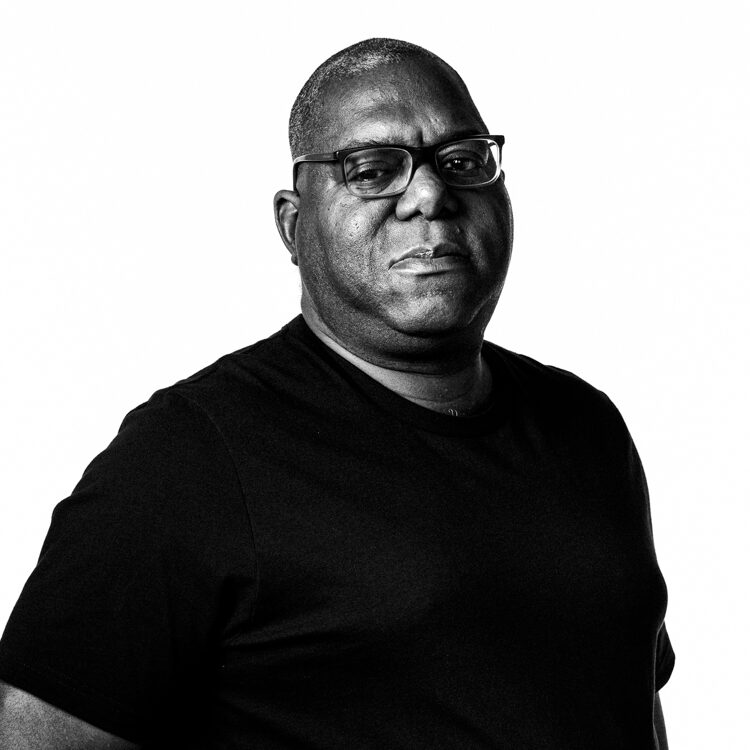
I was hosting a public affairs show on WBAI Radio in New York City, called Walden’s Pond, that covered current topics like health and politics. We often featured live guests. The show’s producer suggested a segment on circumcision and sent me a packet of information.
Something about it triggered me. I had always felt that my genitals were not normal, and for the first time I noticed the emotions I’d been carrying below the surface. I needed time to process what I was reading. It was a full year before I felt ready to schedule my first interview on the topic.
I was so moved by my conversation with Marilyn Milos, a pioneer in the movement and founder of NOCIRC, that I sat alone in a room for a few hours afterwards, feeling as if someone had died. The full scope of what happened to me as a baby hit hard: My body had been violated. Something had been taken from me without my consent.
My Intactivism Begins
That was the first of what would be many shows on circumcision, with guests from academia and medicine. I started attending the conferences where, NOCIRC founder Marilyn Milos was pulling together provocative thinkers, researchers and activists. Much of the discussions debunked assumptions underlying what was still a largely unquestioned routine medical procedure.
Back at the station, my guests and I shared these findings with my audience. We wanted to help educate listeners and set a positive, intelligent tone. It didn’t make me popular with coworkers and station supporters — far from it. I had difficult conversations and lost some friends. Some tried to have my show canceled.
As my understanding grew, the anti-circumcision movement was expanding too. In the 1990s, the nightly news on television was the most coveted exposure, and the movement had some moments in the spotlight on the major networks. Since then, spreading the message has come a long way with social media; today there are many more outlets for our message, some targeted to specific demographic groups or activists from other causes such as new parents, human rights, nurses, LGBTQ groups, and others. It’s exciting to see how far we’ve come as Intact America embraces digital tools and tests new messaging. A new generation of intactivists is stepping up and speaking out.
The Fight Continues
One thing hasn’t changed, though: We still encounter ignorance. Our society is woefully uneducated because the foreskin has been practically erased — barely discussed in medical school and invisible in popular culture, even including mainstream, readily-accessible pornography. In some ways, the battle is even harder now: We have to be even louder than ever to be heard.
A lack of awareness of the sexual and health benefits of having a foreskin is one thing — but a lack of concern in light of the facts is another. It’s good news that the infant circumcision rate is on a downward trend, but U.S. culture continues to buy the lie that it is good medical practice, even though it has been debunked over and over. Meanwhile, men who were babies when I started on this journey suffer in silence.
The Future of the Movement
The years ahead will bring more compassion to those hurting. Intact America is addressing this critical need with its new group therapy program, where men can talk through the issue without judgment, and by taking our issue to new demographics in the Skin in the Game campaign. As advocating for the foreskin becomes normalized, we will see a shift.
The other part of future success lies in education. I’ve always felt that we need a basic 101 on genital anatomy. The foreskin is a protective covering for the glans, guarding sensitivity and heightening pleasure. We need more medical educators who can explain this in a relatable way, along with the growing chorus of social media influencers who are educating and speaking out against it.
While my three-decade journey as an intactivist has had its challenges, at the same time it has taught me so much. One of the biggest gains has been a sense of agency over my own body. In recent years this has made me a stronger advocate for myself with regard to health problems I have faced. Instead of accepting a doctor’s recommendation without question, I have the confidence to seek second opinions and make decisions for what’s best for my own body. I’m a better-informed consumer of medical information.
Coming to terms with my own experience made me a more thoughtful person about sexual issues, about relationships, and about society as a whole. I lost some friends along the way, but at the same time I gained so much. What I have learned and am still learning is priceless. I wouldn’t change a thing. I hope that every activist is able to feel, as I do, that that they’re making a difference.
No Comments